
From the road: the United Kingdom - a trick from years of recruiting trips there, back before phones had YouTube.
I’ve been sourcing, chatting with and interviewing Caterpillar field service technicians and dealer trained staff around the world for a long time. In the UK they’re called field service engineers - fitters, mechanics, technicians; around the world the title changes, but it’s the same gravy.
For years, whenever I was recruiting in the UK, field service fitters had limited exposure to the larger Caterpillar dump trucks. I was forever being asked for photos of the “big Cat gear” - how big is it, really? What am I getting into? Today anyone can pull up a video on their phone in three seconds. Back then, it was unheard of - many people simply didn’t know how big surface mining machines were.
So this is how I used to show field service fitters in the UK and Europe just how big the Caterpillar dump trucks in Australia, Canada and South America can be. In three easy steps.
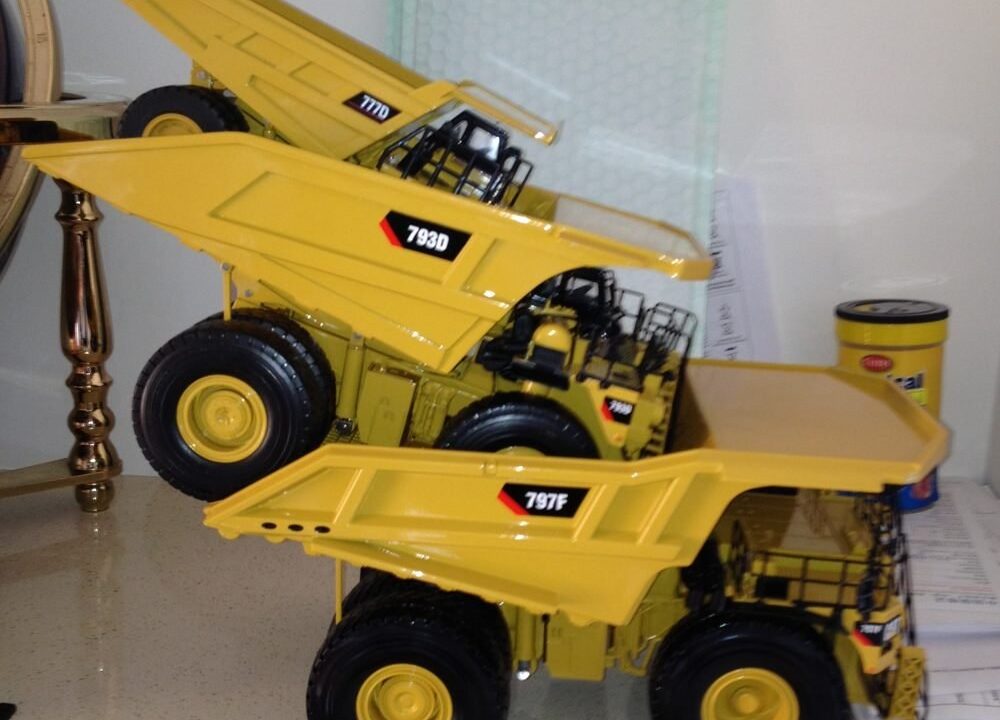
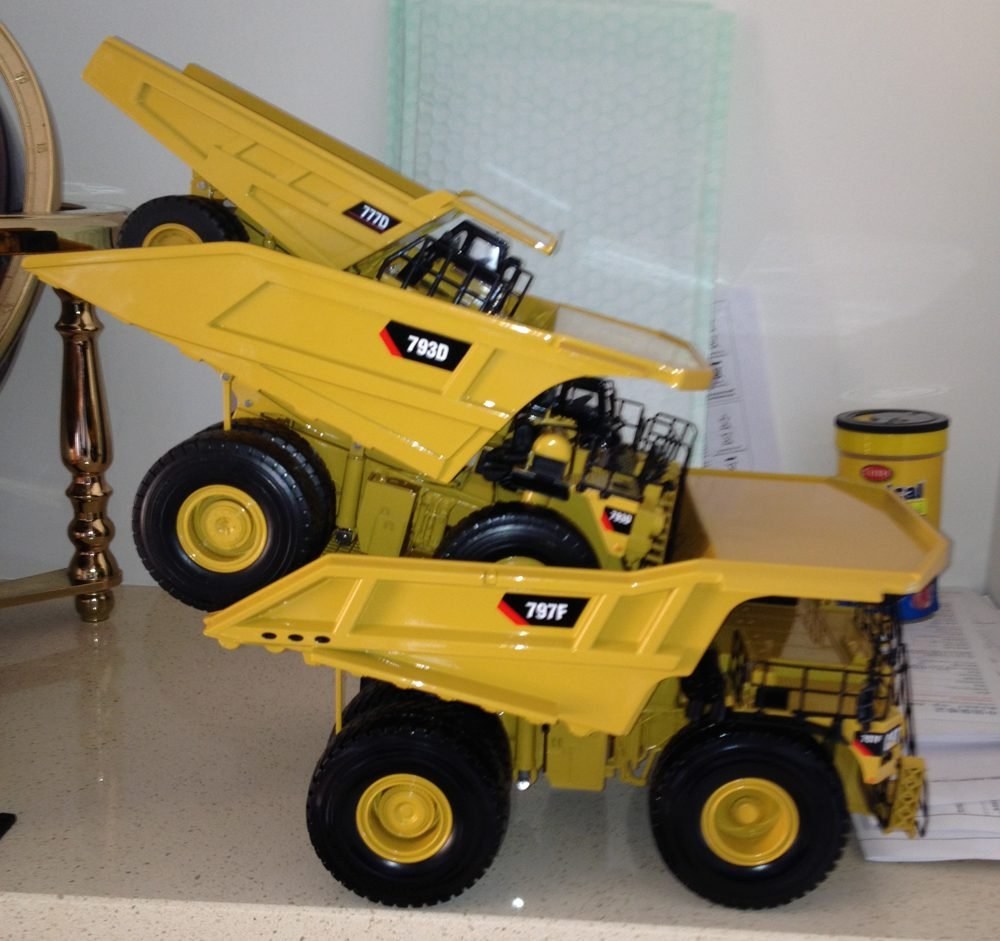
Step 1. I’d ask if they’d ever seen a big truck like a Cat 777. If they said yes, I’d bring a scale model of a Cat 777D out of my case, put it on the table, and say: pretty big, huh?
Step 2. Then I’d ask if they’d worked on anything bigger. Some had - maybe a Cat 789D. Not bad, I’d say. And I’d bring out a scale model of a Cat 793D, and sit the 777D in its tray.
Step 3. Then I’d ask if they knew of anything bigger still. Usually they’d heard of bigger trucks, but never seen one. And I’d bring out a scale model of a Cat 797F - and sit the other two dump trucks in its tray.
Telling is not selling - seeing is believing.
Did I mention I have a different approach than most?
Think big. Quality never goes out of style.
The places in these stories are real. We meet every candidate face to face, in their home country - here’s how our interviews work, and here’s the map.